Mold Abatement in Bulverde, TX
Mold and damaged materials are removed from walls, ceilings and cavities in your Bulverde property. Call 24/7 to arrange an assessment and contained cleanup.
- Moisture source checked first
- Containment and HEPA filtration
- Removal through final checks
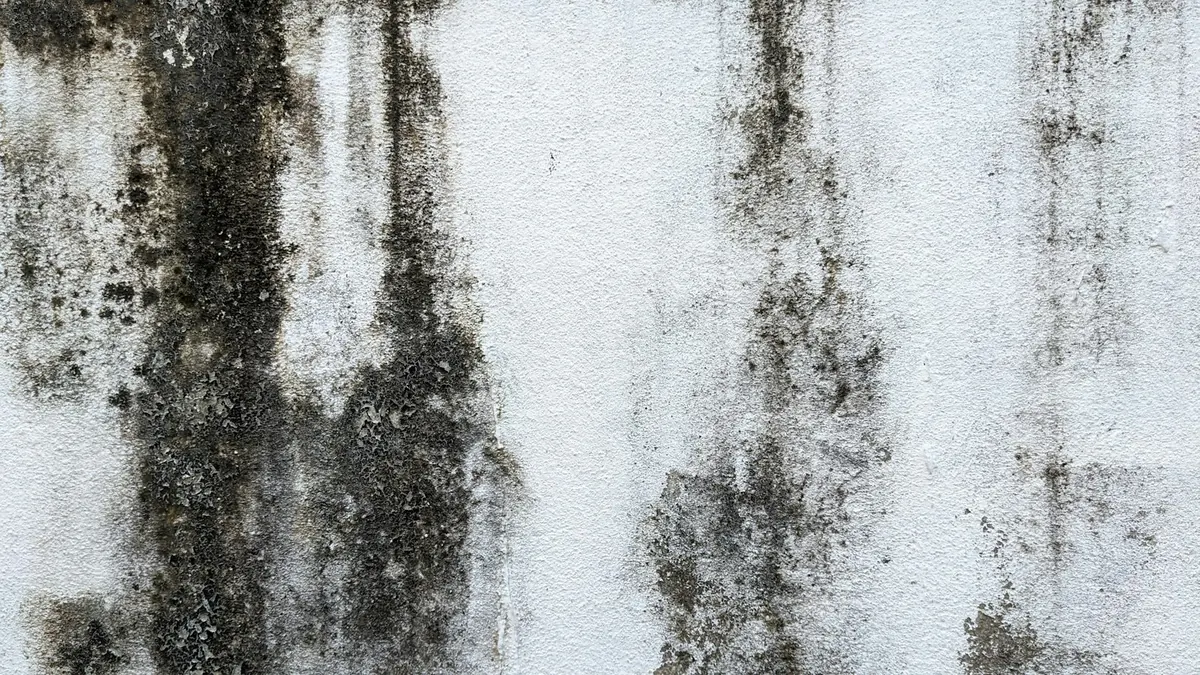
Your Mold Abatement Services in Bulverde
Your cleanup takes out unsalvageable material and mold in accessible cavities, ceilings, flooring and walls. Containment encloses the cleaning and drying of non-porous surfaces and framing that remains sound.
Your abatement plan follows the condition of drywall, carpet pad, ceiling tile and insulation. Hidden growth behind finishes is assessed before removal limits are set.
Your moisture problem is traced before work is defined in a written scope. Removal and cleaning, plus drying and final checks, are listed; necessary leak repairs and rebuilding have separate entries.
- Wall and ceiling cavity assessment
- Waste Disposal and Drywall Removal Under Containment
- Sound Wood Cleanup and Hard Surface Cleaning
- Drying equipment and moisture readings
- Final cleaning and completion checks
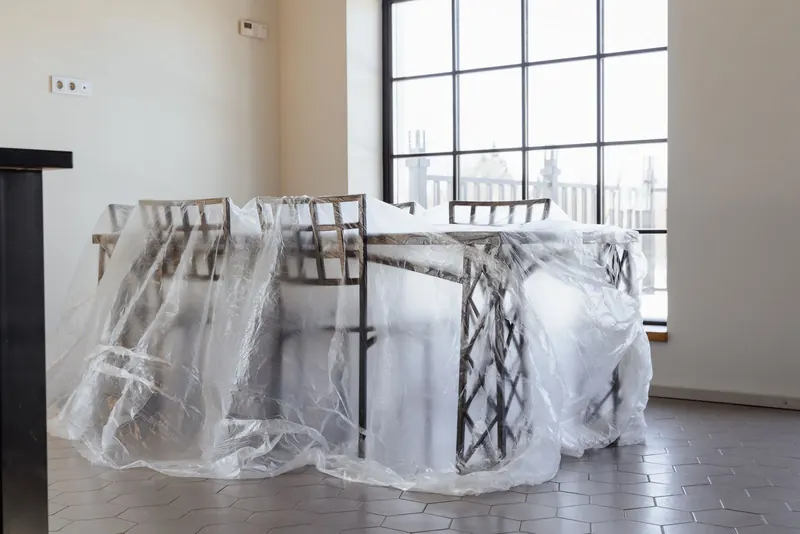
When You Need Mold Abatement
Returning growth, damaged finishes or persistent odor can signal hidden moisture.
Mold Exposed Behind a Finish
An opened wall or lifted carpet reveals growth beyond the reach of surface cleaning.
Persistent Musty Odor
Your room still smells damp after cleaning, with no visible source.
Growth in Several Rooms
Your affected rooms need moisture checks across the space if visible mold growth appears along adjacent walls.
Soft Drywall or Swollen Trim
Your trim swells or drywall becomes soft beside a leak, and growth may appear around the edges.
Mold Returns After Wiping
Dampness behind the finish persists as spots return to your walls or trim.
Your Greater San Antonio Mold Abatement Process
An assessed work scope guides your removal within containment, then drying and verification.
Mold Inspection and Assessment
Your affected rooms and accessible cavities are inspected. A moisture meter maps dampness; a thermal imaging camera can guide investigation but does not identify mold.
Abatement Plan and Moisture Source
The initial step traces leaks and wet materials. Your abatement protocol sets removal boundaries, corrections for moisture and repairs treated separately.
Containment and Air Filtration
Your containment barrier is made with poly sheeting. To limit particle spread, your scope determines the protective equipment, HEPA air scrubber and negative air pressure used.
Removal of Contaminated Materials
Removal covers unsalvageable insulation, ceiling tiles, drywall and carpet pad as needed. Waste gets wrapped in the contained area, then leaves by a protected route.
Surface Cleaning
Sound surfaces undergo damp cleaning and HEPA vacuum work to remove growth. Antimicrobial treatment supplements cleaning when appropriate.
Drying and Moisture Control
A dehumidifier and controlled air movers support drying as the water problem is corrected. Moisture readings track exposed framing and cavities.
Final Cleaning and Verification
Post-remediation verification checks the cleaned surfaces and drying results against the agreed scope. Specified post-abatement testing, or clearance sampling, falls to an assessor working independently.
Containment Removal
Containment comes down after completion checks. Replacement drywall, insulation and finish repairs follow when included in your scope.
Mold Abatement: Why Choose San Antonio Mold Removal Services
Removal Through Final Checks
Damaged material is removed, sound surfaces are cleaned and drying is verified before containment comes down.
Calls Answered 24/7
Across the metro, one number lets you begin your assessment by day or at night.
Clear Scope Before Work
Your removal area, cleanup and separate repairs are defined before work starts.
Moisture Before Mold Removal
Tracing the water problem is part of your assessment ahead of removal and drying.
Contained Mold Cleanup
Your work area and removal route use containment with HEPA filtration to curb mold spores spreading outward.
Preparing for Mold Cleanup in Comal County
Keep damaged materials in place without disturbing them. Arrange your assessment by phone.
- Limit access. Keep pets and people clear of damaged surfaces and visible growth.
- Avoid wet electrical equipment. Stay clear of water around wiring, outlets and fixtures.
- Leave finishes in place. Leave moldy materials undisturbed: never brush, tear out or sand before containment is ready.
- Avoid spreading particles. Do not aim fans at growth; EPA says not to run suspected contaminated HVAC equipment.
- Limit fresh water damage. EPA advises drying water-damaged areas and items within 24 to 48 hours to prevent mold growth.
Mold Abatement Cost in Bulverde, TX
The extent of affected space and damage to materials sets your cost. Use these national remediation ranges to compare abatement pricing. Moisture repairs, rebuilding and testing may be extra.
Typical National Mold Remediation Range
$1,500 to $9,000 per jobSource: Fixr, Mold Remediation Cost (checked 2026-10-23)Typical Mold Remediation Range
$1,200 to $3,750 per jobSource: This Old House, Mold Remediation Cost (cost data credited to Angi) (checked 2026-10-23)Professional Mold Remediation When Your Area Exceeds About 10 Square Feet
$10 to $30 per square footSource: Fixr, Mold Remediation Cost (checked 2026-10-23)Factors Affecting Mold Removal Cost in Bulverde
- Access behind walls and ceilings
- Material removal and waste disposal
- Drying equipment and monitoring
- Containment and air scrubbers
- Your affected area plus cost per square foot
- Separate testing and repair work
Pricing for Your Contained Cleanup
These published national ranges are planning figures. Your on-site assessment defines the work and price before cleanup starts, including any separate source repairs or rebuilding.
Call (844) 352-3560 about costMold Abatement Service Area Across Greater San Antonio
Call (844) 352-3560 to arrange cleanup in Bulverde or nearby communities. One number covers the metro.
Mold Abatement in Locations Near Bulverde
ZIP codes
Answers to Mold Abatement Questions in Bulverde
During contained removal, what needs to be taken out?
Unsalvageable drywall, carpet pad, ceiling tile and insulation may need removal. Hard surfaces within reach and framing in sound condition often allow cleaning and drying. Your scope follows each material's condition. Damage hidden behind your finished wall may require removal beyond the visible patch.
Is staying in your property possible during the work?
Staying may be possible if your occupied rooms are separated from both containment and the route used for waste removal. Whether you stay depends partly on bathroom access, household requirements and shared ventilation. Some work requires temporarily moving out. Before removal, your assessment sets access limits; reopening waits for final checks and any necessary repairs.
Is mold likely to come back after abatement?
Unless you resolve the water problem, mold can come back. Tracing leaks, trapped dampness and condensation is part of your pre-cleanup assessment. Affected materials receive cleaning or removal, followed by surface drying before any rebuilding. Ongoing humidity control, together with finished moisture repairs, helps prevent a repeat of the conditions.
What determines mold abatement cost in Comal County?
How much you pay depends on the affected area, drying needs, material removal and access beneath finishes. The national cost cards above show published ranges with their sources and units. You may have separate work for testing, replacement finishes and source repairs. Your property assessment defines the work and price before cleanup starts.
Is the moisture problem fixed too?
During assessment, the moisture source is found; planning defines needed corrections alongside cleanup. Roof, plumbing and ventilation repairs are part of the work only if your scope lists them. Before work begins, separate repairs are identified. Drying and any remaining moisture in exposed cavities are checked before cleaned surfaces receive replacement finishes.
Is mold testing needed before or after removal?
EPA says air sampling is often unnecessary when visible mold is present. Moisture checks and inspection define the area of work. Containment stays in place until cleaning and drying have been verified. If clearance testing is specified, an independent assessor performs it. Indoor mold levels have no limit set at the federal level.
How long does mold cleanup take in Bulverde?
Your schedule follows the affected rooms, material condition and access. Removing damaged drywall across several rooms involves more work than cleaning an accessible surface. Moisture readings guide drying. Separate rebuilding, along with any specified clearance testing, also influences when you can use your rooms again.
Insurance and Mold Cleanup in Texas
Your policy's mold limits and deductible matter, as do exclusions and why moisture occurred. Insurance may cover cleanup differently from repairs.
Safety During Mold Cleanup in Greater San Antonio
Restricting access alongside containment limits mold spores spreading as damaged material is torn out.
Mold Color
You cannot judge mold risk from color, according to CDC.
Older Building Materials
A separate hazardous materials assessment may be needed before finishes are disturbed.
Contaminated Water
Mold from sewage or contaminated water calls for professional help experienced with those conditions.
Sensitive Occupants
CDC notes that some people experience allergy or asthma symptoms triggered by mold.
Cleanup scope: Homeowners can often clean areas smaller than about 10 square feet, according to EPA. Larger areas, HVAC systems or contaminated water call for professional help.
Cleaning or Removing Mold-Affected Materials in Comal County
What you can keep depends on each material's condition and whether it can be cleaned.
Non-porous surfaces
- Sound glazed tile, glass and metal receive cleaning; assessment of backing is separate.
Porous materials
- You may be able to clean sound wood but need to discard moldy carpet, drywall, insulation and ceiling tile.
Contents and finishes
- Belongings undergo separate evaluation, with replacement finishes added after verification.
Time Needed for Mold Cleanup in Comal County
The agreed verification, removal area's extent and drying progress set your schedule.
- Access and removal: Several rooms with damage and concealed problems can mean additional work.
- Material drying: Moisture readings establish when exposed cavities are ready to close.
- Verification and repairs: When your rooms can reopen depends partly on replacement finishes and specified clearance testing.
Bulverde Mold Odor and Humidity
Your lingering musty smell calls for checks of materials and moisture. Adding fragrance leaves the source in place.
EPA recommends indoor relative humidity below 60 percent, ideally 30 to 50 percent. Humidity control supports moisture prevention after cleanup.
Requirements for Mold Work in Texas
Mold Contractor Requirements
Texas licenses mold assessment consultants, mold assessment technicians and mold remediation contractors through the Texas Department of Licensing and Regulation (TDLR). Visible mold under 25 contiguous square feet can generally be cleaned by people without a license, and you can check any contractor in the TDLR license search.
Building Repairs
Permit rules vary with the plumbing, structural or electrical tasks in your scope.
EPA Guidelines for Drying
Drying should take place within 24 to 48 hours for water-damaged items and areas to prevent mold growth.
State Mold Information
Texas mold questions go to the Texas Department of Licensing and Regulation, which took over the state mold program from the Department of State Health Services on November 1, 2017. TDLR also publishes a Consumer Mold Information Sheet that state license holders give clients before work begins.
State guidance: TDLR Mold Assessors and Remediators FAQs; TDLR Mold Program Update (SB 1255), Sept 17, 2025; Texas DSHS page noting mold program transfer to TDLR
Related Services and Next Steps
Start Your Mold Abatement in Bulverde
Call 24/7 to arrange your assessment. Your cleanup starts with the affected surfaces, moisture source and access to your home.